What Is an Investment Time Horizon?
Advertisement
Feb 24, 2026 By Kelly Walker
Are you considering investing your money but need clarification about where to start? One of the first decisions you'll need to make is determining what investment time horizon best suits your goals.
Knowing how long you plan on holding security before liquidating it can enormously impact how much profit or loss you could encounter. In this blog post, we'll discuss what constitutes an investment time horizon and which ones might be perfect for meeting your financial objectives.
So, join us as we delve deeper into the world of investments and discover how your outlook can help you make profitable choices!
Defining Investment Time Horizons
An investment time horizon measures how long you will keep your money in a particular asset. While the length of an investment time horizon will depend on individual circumstances, investors generally employ shorter horizons for assets that they consider high-risk and longer horizons with lower-risk investments.
That's because short-term investments offer an opportunity to take advantage of market fluctuations and increase returns, while longer-term investments are more secure.
Short-Term Investment Time Horizons
Short-term investment time horizons typically refer to investment strategies that generate returns within a relatively brief period, typically ranging from a few weeks to a few months.
These investment approaches focus on taking advantage of short-term market fluctuations, price movements, or specific events to capitalize on potential opportunities.
Investors with short-term time horizons often engage in active trading, frequently buying and selling securities such as stocks, bonds, commodities, or currencies to exploit short-term market inefficiencies.
They may utilize various techniques, including technical analysis, chart patterns, and market indicators, to make informed decisions about when to enter or exit positions. Short-term investments can be subject to higher volatility and risk than long-term investments.
They require diligent monitoring, as market conditions can change rapidly, impacting the investment's performance. Additionally, transaction costs, such as brokerage fees and taxes, can eat into short-term returns.
Common short-term investment strategies include day trading, swing trading, and arbitrage. Day traders aim to profit from intraday price movements, closing all positions by the end of the trading day.
Medium-Term Investment Time Horizons

Medium-term investment time horizons typically span from a few months to a few years. This investment approach focuses on capturing moderate to long-term market trends, taking advantage of potential growth opportunities or specific events within that timeframe.
Medium-term investments aim to strike a balance between short-term volatility and long-term stability. Investors with medium-term time horizons often adopt a more strategic approach than short-term traders.
They analyze fundamental factors such as economic indicators, company financials, industry trends, and market conditions to identify assets with the potential for sustained growth over the medium term.
Long-Term Investment Time Horizons
Long-term investment time horizons typically extend over several years, if not decades. This investment approach focuses on building wealth and capital appreciation over the long run by taking advantage of compounding returns and the potential for sustained growth.
Investors with long-term time horizons prioritize a buy-and-hold strategy to hold investments for extended periods regardless of short-term market fluctuations. They focus on fundamental analysis, evaluating the quality of assets, the strength of companies, and long-term trends in the market.
Common long-term investment strategies include:
Buy and Hold:
Investors select a diversified portfolio of assets such as stocks, bonds, real estate, or mutual funds, intending to hold them for a prolonged period. The goal is to benefit from the long-term growth potential of these assets, collecting dividends, interest payments, or capital appreciation over time.
Index Fund Investing:
This strategy involves investing in broad-market index funds, such as those tracking the S&P 500. By investing in the overall market, investors can capture the average market returns over the long term, typically outperforming many actively managed funds.
Retirement Investing:
Long-term investing often plays a significant role in retirement planning. Investors contribute to retirement accounts like 401(k)s or Individual Retirement Accounts (IRAs) and allocate their investments in a diversified manner to grow wealth for retirement over several decades.
Dividend Reinvestment:
Investors focus on dividend-paying stocks and reinvest the dividends received into the same or other investments. Over time, this can compound wealth as the reinvested dividends purchase additional shares, leading to increased dividend income.
Long-term investments provide the opportunity to benefit from the power of compounding returns and ride out short-term market volatility. They allow investors to capture the economy's overall growth and participate in the success of well-managed companies.
Factors That Influence Your Investment Time Horizon
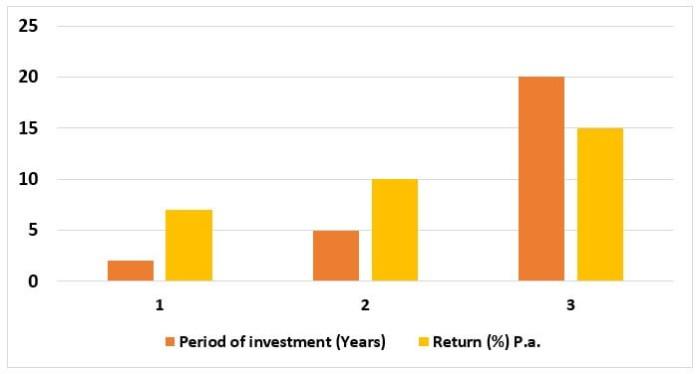
When selecting an investment time horizon, there are several factors to consider.
These include:
- Your financial goals and objectives;
- Your risk tolerance;
- The level of volatility in the market;
- Potential returns for different asset classes over various time horizons.
Your investment strategy should match your goals and risk tolerance, so reviewing these factors is important before selecting an investment time horizon.
Tips for Choosing the Right Investment Time Horizon for Your Goals
When choosing an investment time horizon, the most important thing is to focus on your financial goals. Consider how much risk you are willing to take and how long you are willing to wait for potential returns.
If you want short-term gains, select a shorter time frame, such as day trading or swing trading. If you have a longer-term objective, focus on strategies such as buy and hold or index fund investing.
It is also important to consider the potential returns for different asset classes over various time horizons. Asset classes like stocks typically offer higher long-term returns but have greater short-term risk.
Bonds can provide more stability over the intermediate term but may offer different growth potential than stocks. Ultimately, the right investment time horizon for you will depend on your particular financial goals and risk tolerance.
By taking the time to review these factors, you can ensure that your investment strategy is aligned with your long-term objectives.
FAQs
How can I determine my investment time horizon?
Your investment time horizon determines how long you plan to invest your money. Thinking about the future and establishing an acceptable risk level based on your goals is important.
What factors should I consider when setting my investment time horizon?
When setting your investment time horizon, consider factors such as the amount of risk you are willing to take, current and future goals, market conditions, and your age and income level.
How can I change my investment time horizon?
Your investment time horizon can be changed as your needs and risk tolerance change. You should review your investments regularly to ensure they align with your goals and objectives. You may need to adjust your portfolio depending on changes in the market or life stages.
Conclusion
In conclusion, understanding the different investment time horizons is important when deciding how to invest your money. When determining what investment time horizon best suits your goals, it's important to consider the timeframe, amount of risk, and liquidity surrounding each option.
By selecting an outlook that works for you, you can construct a portfolio of investments tailored to fit your needs and wants. What Is an Investment Time Horizon? Find out now and get started on your investing journey!
On this page
Defining Investment Time Horizons Short-Term Investment Time Horizons Medium-Term Investment Time Horizons Long-Term Investment Time Horizons Buy and Hold: Index Fund Investing: Retirement Investing: Dividend Reinvestment: Factors That Influence Your Investment Time Horizon Tips for Choosing the Right Investment Time Horizon for Your Goals FAQs How can I determine my investment time horizon? What factors should I consider when setting my investment time horizon? How can I change my investment time horizon? ConclusionAdvertisement

What Is Net Interest Cost (NIC)?

Why Not Buy Before the Dividend and Then Sell?

What Is a Mortgage Recast?

What Is a Construction Bond?

Knowing your Available Credit and Credit Limit

Call Loan: Your 101 Guide

Profit Strategies: A Closer Look at How Capital One Operates

Can I Get A Personal Loan With A 550 Credit Score?